AFK Journey gives new players heroes faster than it gives them certainty. A roster can look full within days, yet the materials available for meaningful upgrades remain limited. One recent post came from a player who had been playing for about a week, had already collected many heroes without spending, and still did not know whom to build or leave unused.
That confusion is not solved by finding the longest tier list. A useful ranking has to answer a narrower question: which of your owned heroes can improve the part of the game you care about now, with the teammates and materials you can actually provide?
Choose the mode before the hero
Dream Realm, PvP, and AFK Stages do not reward every hero in the same way. Prydwen's written list separates AFK Stages, Dream Realm, and PvP, and notes that team building, synergy, and faction bonuses matter more as progression advances.
Start by naming one result you want to improve. If Dream Realm is your priority, read the Dream Realm evaluation first rather than averaging it with PvP or AFK Stages. If your current obstacle is stage progression, a strong PvP placement does not explain whether that hero will help the team you use for AFK Stages. A player focused on competitive modes should be equally cautious about treating campaign performance as proof of PvP strength.
This does not mean you should ignore heroes who perform well in several modes. Broad usefulness is helpful when materials are scarce. It means that cross-mode coverage should be visible in the comparison instead of being assumed from one overall grade.
Read the conditions behind a placement
A tier is a compressed result. It rarely tells you everything about the roster, upgrade level, teammates, or competitive environment behind that result. The disclaimer on a current Patch 1.7.3 community tier list says lower-investment rosters may show different usage patterns, while its PvP rankings reflect both strength and prevalence among high-level players at comparable investment.
Before moving materials, check what the ranking assumes. Does the hero need partners you do not own? Is the placement based on a developed roster rather than early progression? Does the source explain the required investment, or does it only show the final grade? An unexplained top tier may be a useful name to watch, but it is not yet a build instruction.
The same caution applies in reverse. A lower-ranked hero can still solve a problem if that hero works with the team already available to you. Replacing a functioning lineup with a theoretically stronger hero may require several additional builds before the new team performs as advertised.
Find the missing job in a team you can field
Look at the lineup that currently falls short, not just the unused heroes in your collection. Identify what happens when it fails. Perhaps the team cannot keep a key unit active long enough, cannot control an important threat, or cannot complete its damage sequence consistently. Those observations give you something concrete to compare against a hero's kit and recommended teams.
Then check whether a candidate fills that missing job without taking indispensable partners away from another lineup. A hero who looks excellent in isolation may compete for the same supports as a team you already depend on. Another hero with a lower placement may fit immediately because the needed partners are already built.
Faction bonuses and synergy also make a difference that a single portrait cannot show. If the recommended formation depends on several linked pieces, count the unfinished pieces before committing to the featured hero. Building one unit from that formation will not produce the same result as fielding the formation itself.
Separate ownership from readiness
Owning a hero only puts that hero on the list of possibilities. Readiness depends on what the hero can do at the upgrade level you can reach and whether the surrounding team is ready at the same time.
For each serious candidate, write down the next meaningful stopping point you can afford. If a guide does not state the investment behind its ranking, mark that requirement as unknown instead of filling it in from guesswork. Compare candidates at reachable states, not one hero at a realistic level against another at a fully developed showcase level.
Also consider overlap. Materials spent on a hero who improves only one narrow situation may be harder to justify when another owned hero can strengthen two modes you play every day. The opposite can be true when one mode is blocking an important milestone: a specialist who fixes that specific lineup can matter more than a flexible hero who changes little.
Check substitutes before beginning a second project
Some roster problems can be solved by changing a formation or using an available substitute. In the same discussion, players still asked what a ranked hero actually did and whether a high-stage lineup had a substitute, showing how little a placement alone can tell you.
When you see a recommended hero you do not have, identify the function that hero performs in that team. Search for owned heroes who can cover enough of that function for the mode and stage you are playing. The substitute may not reproduce the strongest recorded result, but it can let you progress without opening several unfinished builds at once.
This is also a good test for heroes you already own. If an upgraded unit would only replace another built hero with no clear change in team performance, that project can wait. If it unlocks a lineup you currently cannot field, the upgrade has a clearer purpose.
Treat unclear version labels as a stop sign for exact rankings
Tier lists age quickly when balance changes, new heroes, and new seasonal conditions alter common teams. There is also a version conflict in the available written material: the community post is labeled Patch 1.7.3, but Prydwen's page says it was updated on September 4, 2026 while still describing its list as based on Patch 1.6.3.
That mismatch does not make every general explanation useless. Mode categories, team requirements, and the need to compare similar investment levels can still help you read a roster. Use unclear rankings as broad context rather than a final order for close calls.
When the label is uncertain, avoid using the list to settle close calls between heroes. Return to information you can verify in your own roster: which mode needs help, which complete team you can field, what upgrade level is reachable, and whether an owned substitute already covers the same job.
Sort your current roster in one pass
You can turn those checks into a short roster review:
- Target: Pick Dream Realm, PvP, or AFK Stages.
- Problem: Write down the lineup you use there and the specific failure you are trying to fix.
- Candidates: Pull heroes only from the relevant mode evaluation, starting with those you already own.
- Requirements: Remove candidates whose required teammates or investment are unavailable or unexplained.
- Comparison: Weigh the remaining heroes by team fit, reachable upgrade level, useful overlap with other modes, and available substitutes.
- Next build: Choose the hero with the clearest immediate use, and leave the others in a hold group for the next review.
The hold group matters. It prevents “not now” from becoming “never,” and it keeps a new ranking from restarting every unfinished build. Revisit those heroes when you obtain the missing teammate, can reach the required upgrade, change your main mode, or confirm that a newer list uses the same version you are playing.
For the roster in front of you today, put the next materials into the hero who improves your chosen mode and fits a team you can already assemble. Keep the rest unspent until their teammates, upgrade requirements, and role are clear.
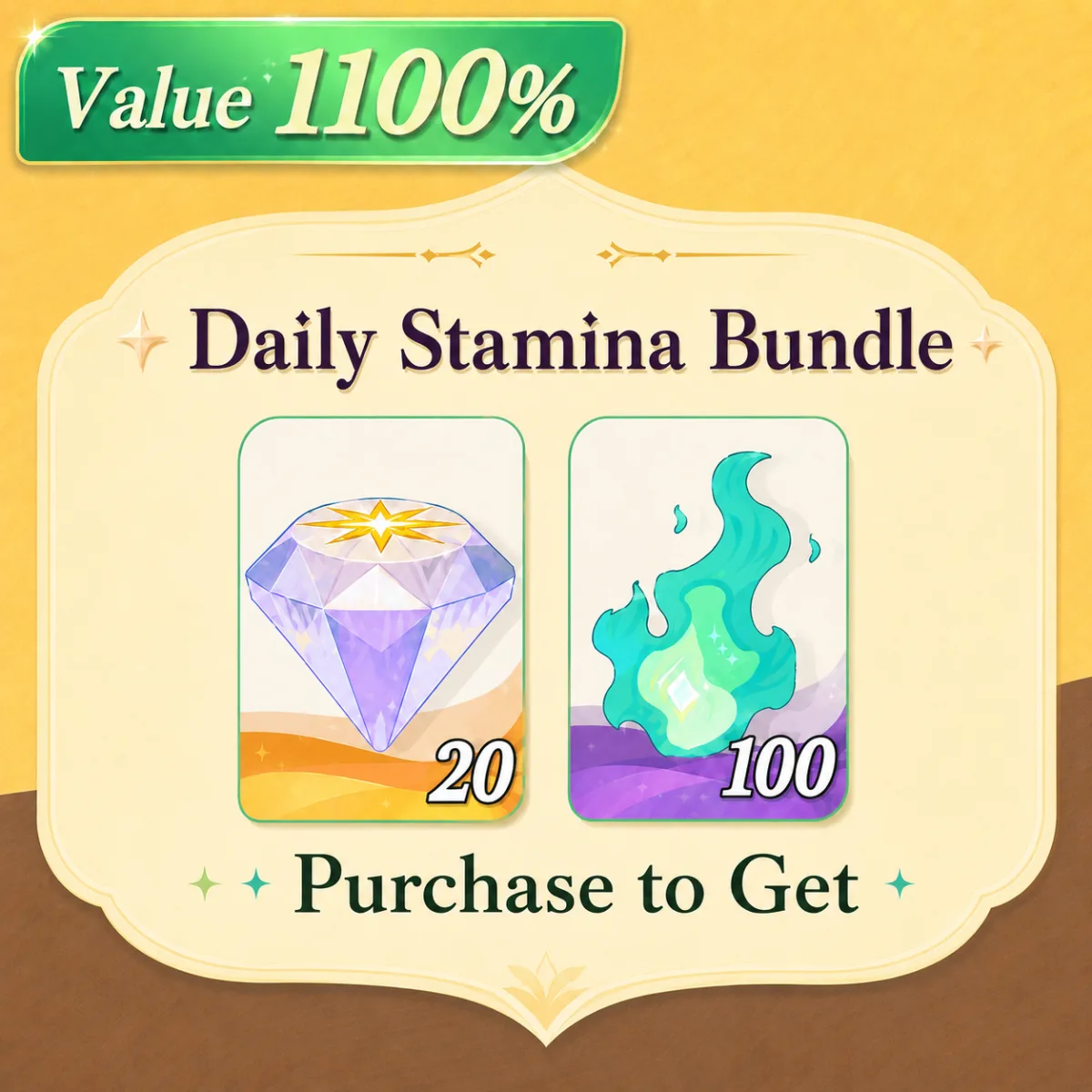
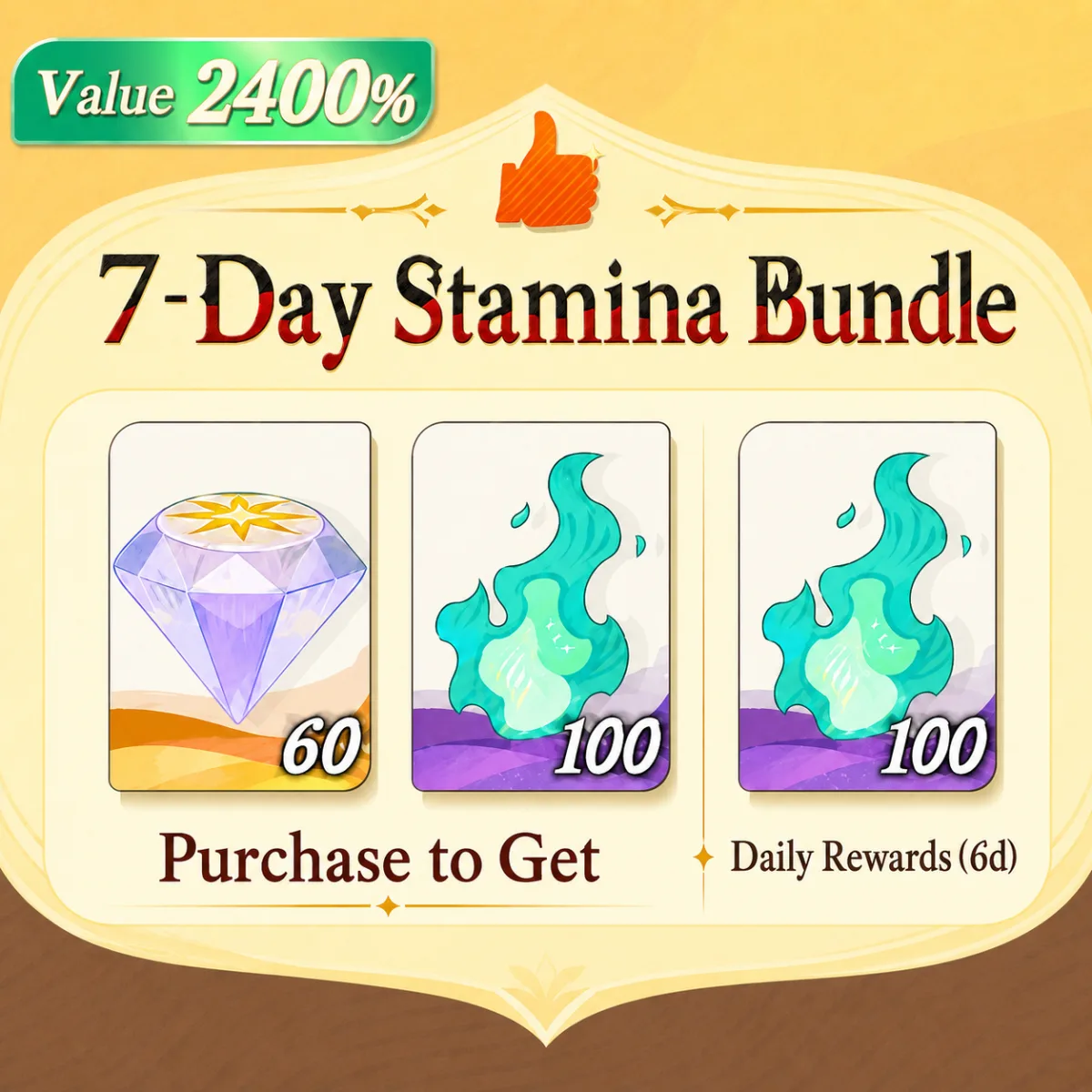
If you later choose to top up AFK Journey, FlashMunk currently offers savings of up to 23%, secure payments, and 24/7 customer support.