

When Lootmapper shows nothing, the natural conclusion is that the area has been cleared. That conclusion is useful only if the missing reward belongs to the kind of object Lootmapper can reveal and is sitting inside the area the scan actually covers. Exploration progress mixes several kinds of tasks together. The blank circle answers one narrow question; it does not certify the whole map.
Classify the missing progress first
Start with the reward you are missing. A visible supply chest in the open is a different problem from a chest created by a puzzle, a challenge reward, a quest-locked room or an underground route. If the reward does not exist until a condition has been completed, scanning the ground before that condition is met may correctly show nothing. The tool is not broken. The chest is not yet a normal object for it to point at. Height causes another kind of confusion. A marker can be close in two dimensions while the route sits far above or below the player. Cliffs, caves and layered interiors turn a short map distance into a long walk. Before moving the scanner repeatedly, check entrances, vertical paths and any nearby underground space. The most frustrating “empty” areas are often not empty at all; the remaining route is simply on a layer the surface map communicates badly.
Cross the boundary before searching the same ground
Boundary errors are less dramatic but common. Exploration regions do not always match the visual landmark a player has in mind. A chest on the other side of an invisible regional line can contribute to a different area while appearing to belong to the current one. Move the scan across the border and compare the regional progress rather than assuming the nearest named location owns the reward.
Quest state matters too. Some spaces open only after a mission, and some puzzles change the world before their reward becomes available. If a guide or interactive map shows a chest that your world does not contain, check the prerequisite before treating the difference as a bug. A screenshot from another player may show the end of a sequence, not an object that was always there.
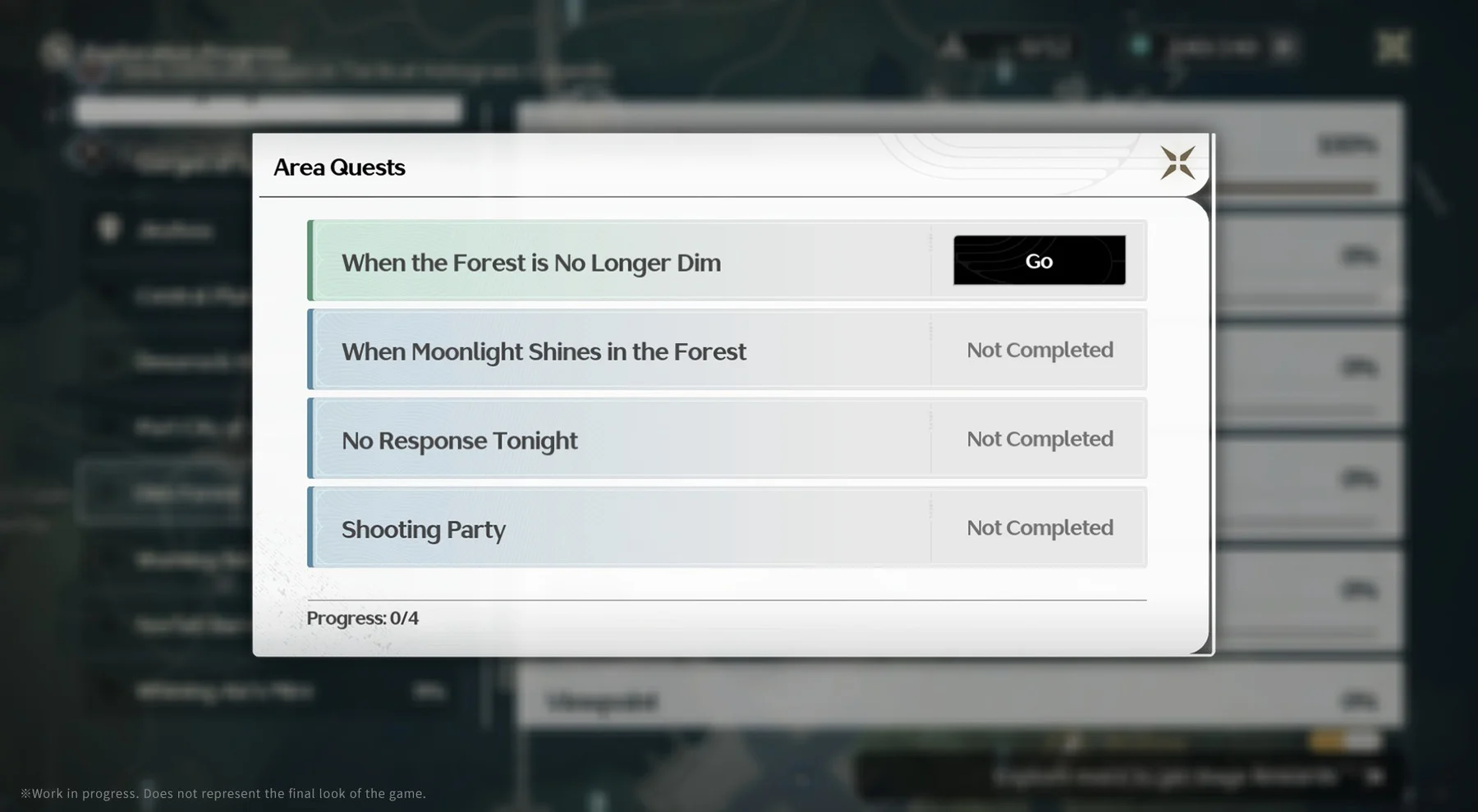
Use the interactive map as a ledger
An interactive map is most useful after these checks, not before. Filter it to the missing category and compare the last few plausible points with the world. Mark locations only after you have verified them. Bulk-marking an entire region as complete creates a prettier map and a worse investigation. The tool should narrow the search; it should not overwrite what you actually checked.
I would use a simple escalation. Scan the surface, inspect vertical routes, move across the regional boundary, then review puzzle and quest-gated locations. Only after those fail would I compare every remaining point on an external map. That order keeps a five-minute cave check from turning into an hour of revisiting already cleared chests.
FlashMunk currently shows up to 23% off Wuthering Waves top-ups, with UID top-up support and real-time order tracking. The discount is visible before checkout, and the order status stays available while the recharge is being completed.















The important shift is to stop asking “why is Lootmapper missing my chest?” and ask “what kind of completion is still missing?” The answer may be a chest, but it may also be a puzzle, a challenge, a quest state or an area boundary. A blank scan is evidence that one detection method found nothing nearby. It is not proof that the area has nothing left to do.