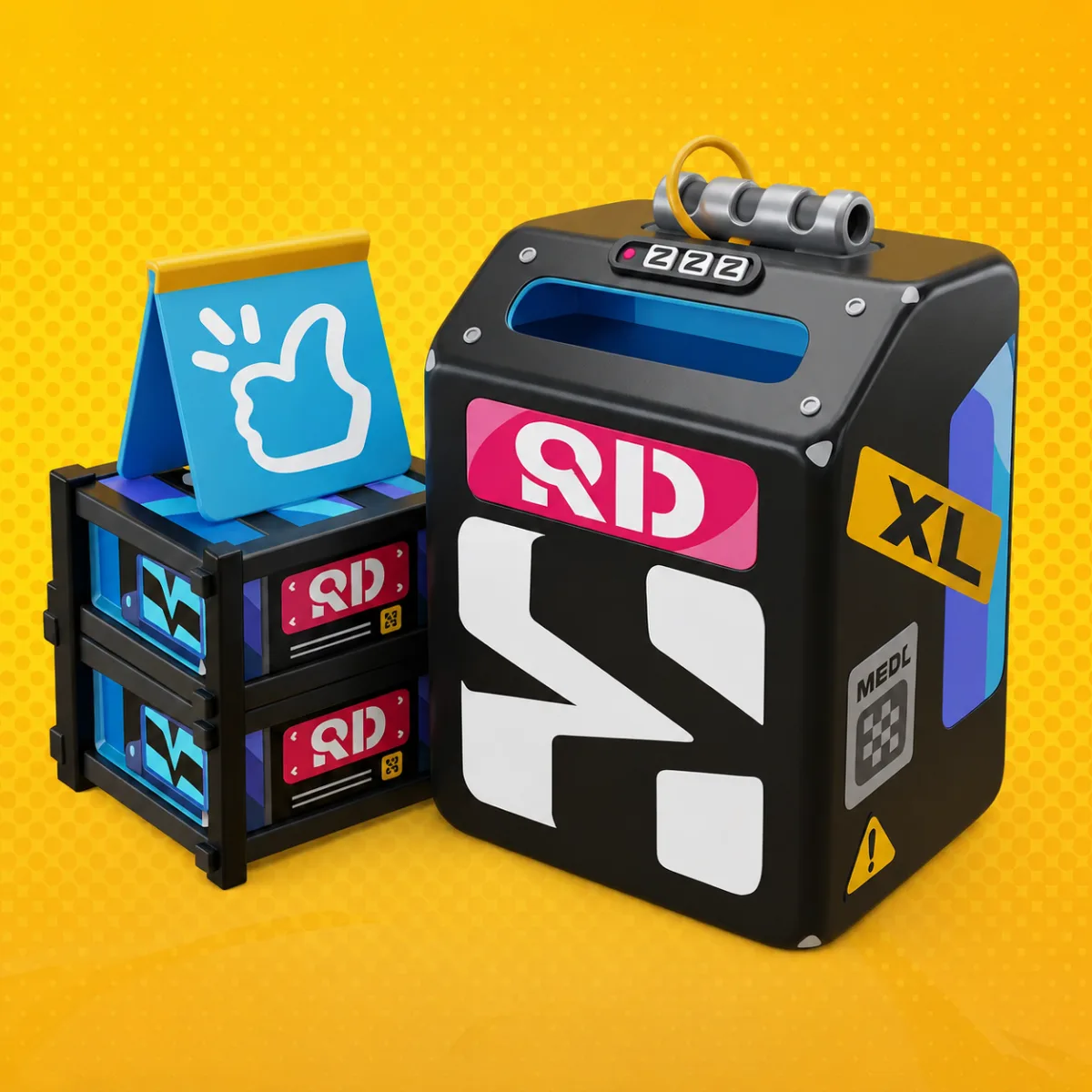
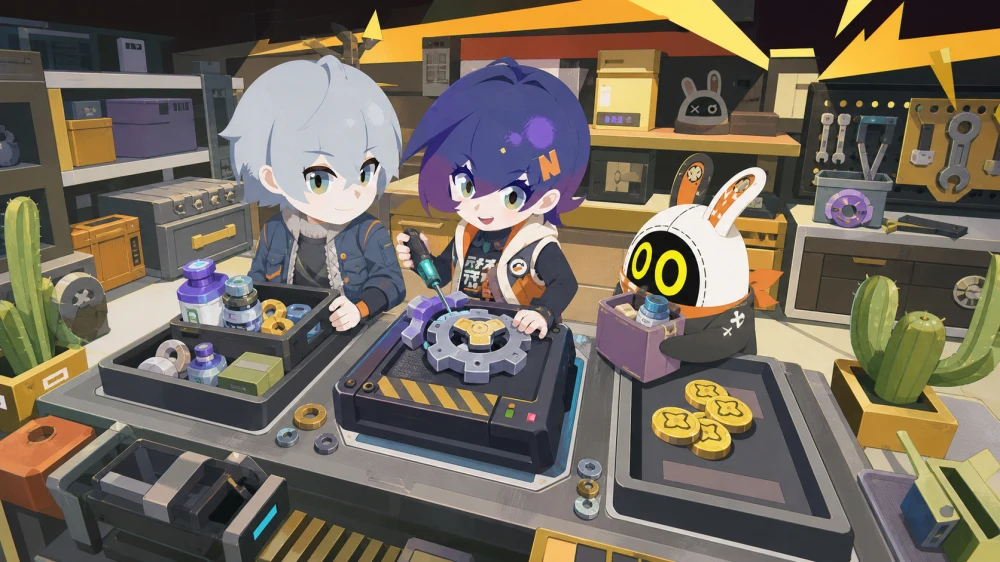
Operation Bagel makes a purple or gold item look important before it tells you what the item is important for. That is a dangerous habit to carry into the Depot. A high price, a rare color, and a progression use are three different kinds of value, and selling as though they were the same is how players turn one profitable run into several extra farming runs.
The first distinction is between things that improve the Hub and things that merely pay for it. Porcelloy Hub development opens or improves the Depot Hub, Boojee's Store, Smart Workshop, and Bangboo R&D Center.Materials tied to those upgrades are not spare cash sitting in the inventory. They are the keys to better storage, stronger crafting, and more options on later runs. Selling one may produce Gear Coins immediately while postponing the facility that would have made future runs easier.
That is why recent warnings about “valuable” materials matter. Some progression items look sellable enough that a quick cleanup can catch them. Before selling anything unfamiliar, open its description and check whether a Hub upgrade is asking for it.This takes longer than sorting by color, but not nearly as long as realizing the missing material was the reason an upgrade stayed locked.
Lower-tier materials become a different decision after your facilities have moved on. Players have had success selling older box-icon items once the next material tier has replaced them, but that is an account-state rule, not a universal sell list. On a newer account, the same item may be the next upgrade. On a developed one, it may genuinely be clutter. The inventory cannot answer that without the Hub screen.
Blueprints belong in another category. Their immediate Gear Coin value is usually the least interesting thing about them. A blueprint expands what the Smart Workshop can make, and players hunting specific high-rank plans report that the right Gear-box drop can take repeated runs.When one appears, put it in the Safe before you start negotiating with yourself about backpack space. A protected blueprint can still become useful later; a lost one sends you back to the same boxes and the same RNG.
There is a small trap here: “keep every blueprint forever” is not much smarter than selling everything. Once a plan is already learned or the resulting Gear has no place in your route, protecting duplicates ahead of genuinely scarce upgrade material may be wasteful. Check whether the blueprint is new, whether it supports equipment you intend to use, and whether it is harder to replace than the item competing for the Safe slot.
Equipment needs the most account-specific judgment. The Smart Workshop exists to turn materials and blueprints into better Gear, but crafting the highest rank available is not automatically progress. Gear is useful because it solves a run problem: more reliable damage against a blocker, a way to survive a late encounter, faster movement between boxes, or a stealth tool that lets you loot without starting another fight. A costly craft that duplicates something already doing its job can leave the Hub poorer without making the next run safer.
Before crafting, name the failure you are trying to fix. “My gear is weak” is too vague. “I keep losing the last fight because the shield takes too long,” “I run out of medicine before extraction,” and “I cannot open enough boxes before alert climbs” all point toward different purchases. The Workshop screen shows what you can make. It does not know which part of your run keeps breaking.
Gear Coins are the flexible part of this economy. They help develop facilities, research and craft Gear, and buy Store rewards, so turning surplus valuables into coins is sensible. The mistake is measuring every object only by the number beside the Sell button. A progression material has an invisible replacement cost. A missing blueprint has a farming cost. A tool that fixes the exact reason your runs fail may be worth more than its resale value for several weeks.
The easiest Depot routine is not a color chart. Protect anything difficult to replace while you are still in the Hollow. Back at the Hub, separate upgrade requirements from genuine surplus. Learn useful blueprints before treating duplicates as inventory. Craft against a specific problem, then sell the items that no longer have a progression or loadout job.
This leaves a little mess in the Depot, and that is fine. A perfectly clean inventory can be a sign that everything uncertain was converted into coins before its use was understood. In Operation Bagel, a few unsold materials are cheaper than rebuilding an upgrade path you accidentally liquidated.
When a planned Monochrome purchase is already part of your account budget, FlashMunk's current Zenless Zone Zero offer shows savings of up to 25%. Payment information is encrypted, and 24/7 customer support is available if the order needs attention. Compare the listed amount with the in-game price before you check out.